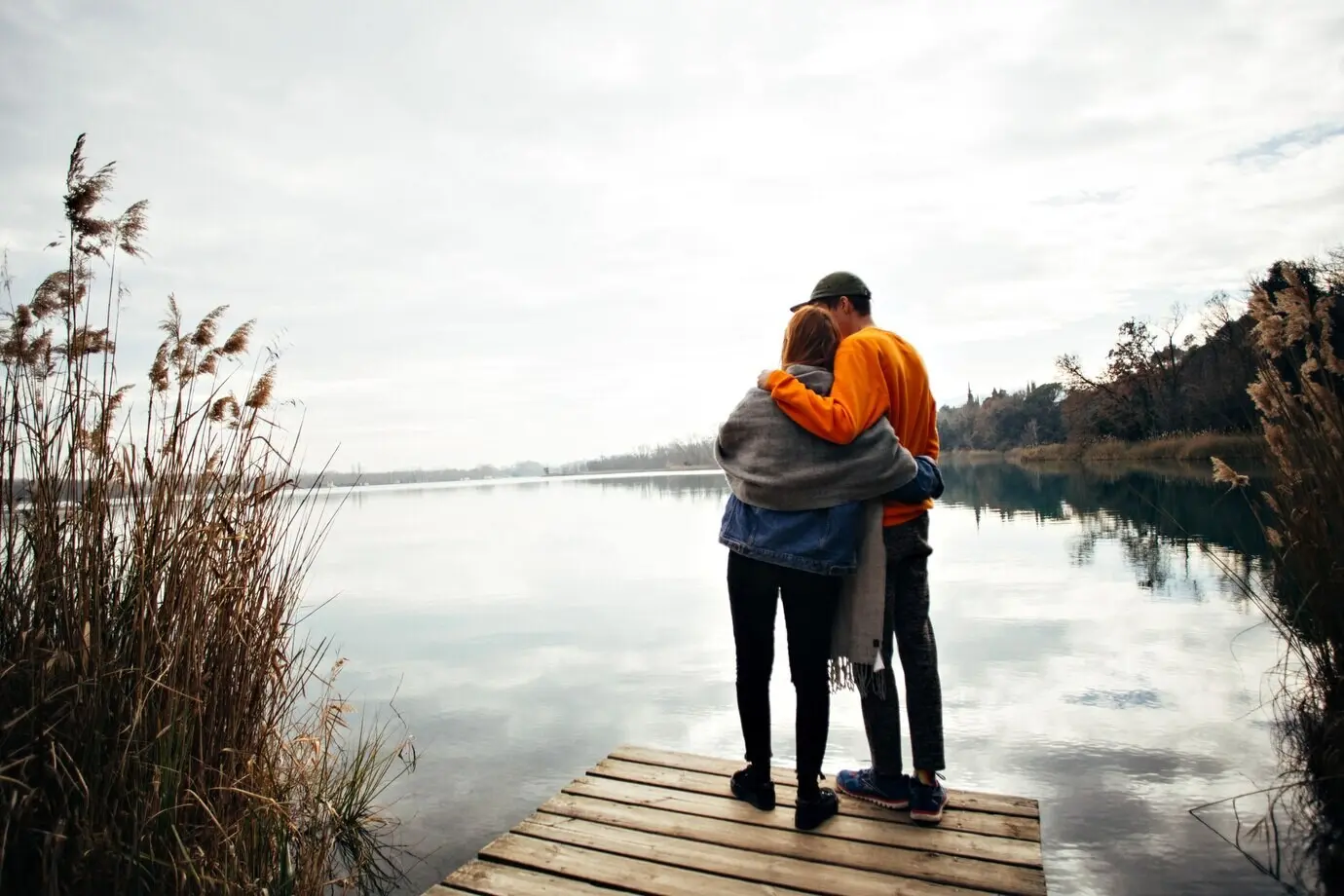
Open Horizons for Every Explorer

Today we focus on wheelchair-accessible scenic overlooks and pathways, celebrating places where breathtaking vistas meet thoughtful design. From gentle grades and reliable surfaces to intuitive wayfinding and welcoming rest spots, we explore how inclusive routes turn scenic stops into memorable journeys. Expect practical tips, heartfelt stories, and ideas you can use or advocate for in your community.

Design That Welcomes the Journey

Great views feel better when the route there is comfortable, predictable, and dignified. Thoughtful alignment, generous widths, consistent cross-slope, and stable, slip-resistant materials create confidence long before the overlook appears. Let’s unpack choices that make movement smoother, pauses more restful, and every turn more readable for diverse bodies and devices.

Planning a Seamless Day Out

A beautiful overlook is only as welcoming as the journey from car door to railing. Accurate information about surfaces, grades, distances, restrooms, and shade empowers choices, while clear signage and responsive staff reduce uncertainty. With better preparation, energy goes toward joy and curiosity, not troubleshooting logistics or inaccessible surprises.

Parking, Drop-Offs, and First Impressions

The first few meters can shape the whole experience. Accessible parking with wide aisles, curb-free routes, covered drop-off zones, and nearby benches lets visitors organize equipment without haste. Good lighting, readable maps, and visible staff call buttons communicate care immediately, setting a tone of calm competence before the path begins.

Wayfinding That Truly Guides

Maps that specify grade ranges, surface types, and resting points prevent unpleasant surprises. Tactile indicators, high-contrast signage, and consistent symbol sets support multiple ways of understanding. Digital companions, like downloadable route files and live alerts about closures, help visitors adjust plans in real time without stress or unnecessary backtracking.
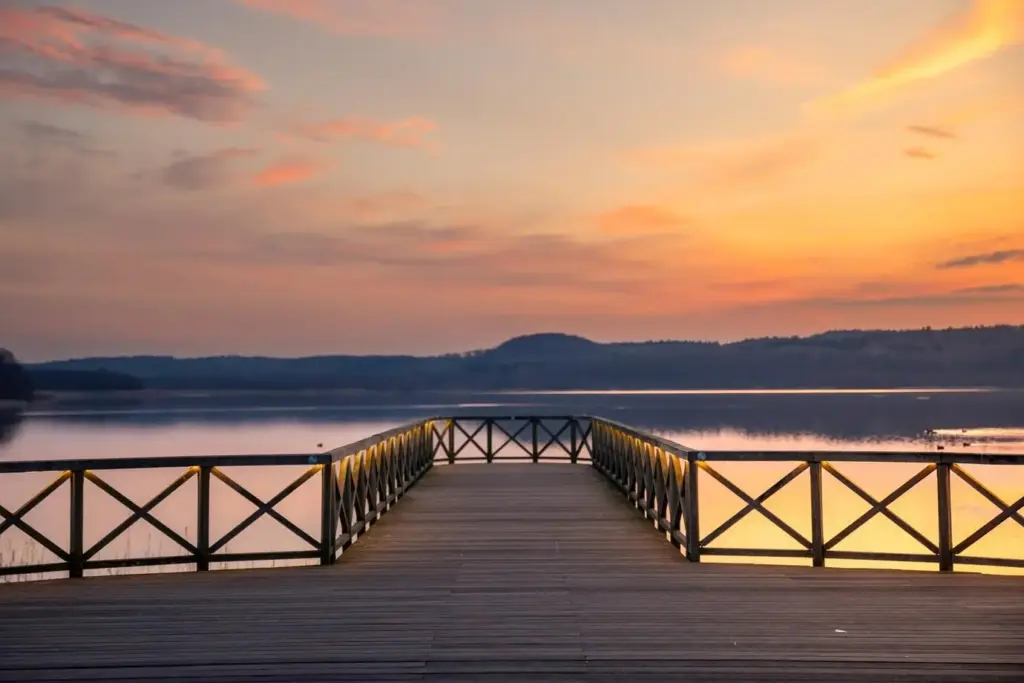
Interpretive Moments Everyone Can Reach

Lowered exhibit rails, audio descriptions with transcripts, and braille placed at comfortable heights widen participation. Where panels are long, turning clear space beside them prevents bottlenecks. Carefully framed overlook windows align content and view, helping visitors compare text with terrain without maneuvering struggles, precarious positions, or fatigue at critical points.

Soundscapes and Quiet Places

Not every overlook is about noise and applause. Quiet pull-outs shielded from wind offer restorative pauses for sensory regulation and breath. Subtle seating, soft surfaces, and reduced visual clutter support calm conversation, while directional microphones on audio guides reveal birds, waterfalls, and distant trains without overwhelming the listener.

Benches, Overlooks, and Social Nooks

People linger where comfort meets curiosity. Benches with armrests, companion seating, and wheelchair spaces integrated within the best sightlines encourage shared moments. When micro-places include shade, charging ports, and stable picnic surfaces, families plan longer visits, spreading joy across hours instead of rushing back to parking before fatigue arrives.

A First Visit That Changed Expectations

Janelle planned a sunset surprise for her partner, scanning satellite images for ramps and flat turns. When staff offered a loaner all-terrain chair and a paper map marked with resting pads, everything shifted. They reached the viewpoint smiling, with enough energy left to savor the fading light together.

Caregiver Perspective on Confidence

Confidence comes from predictable surfaces and clear communication. A caregiver noted that a single unexpected step rerouted their whole afternoon, while a clearly signed detour preserved joy. Simple practices—temporary ramps, cones, and honest updates—turn potential disappointments into manageable adjustments, honoring everyone’s time, dignity, and desire to share a horizon.

Volunteer Crew Lessons from the Trail

Maintenance volunteers learned that sweeping pine needles can matter as much as adding a new bench. After switching to smaller aggregate and filling joints, visitors reported fewer jolts and more smiles. Quick-response teams now patrol after storms, prioritizing drainage, traction, and signage checks before reopening popular overlooks to crowds.

Real Experiences from the Viewpoint

Stories illuminate details checklists miss. A parent recounts pushing across gravel that looked firm online, and a wheelchair user describes the relief of a shaded landing mid-climb. These lived experiences sharpen design priorities, turning abstract standards into gestures that feel caring, practical, and memorable under changing skies and seasons.

Edges, Railings, and Turning Space

Plenty of turning space near viewpoints avoids awkward backing and collisions. Railings sized for both seated and standing users add steadiness without blocking views, while toe rails and detectable edges stop wheels before danger. Together, these details protect spontaneity, letting laughter and awe take center stage without constant vigilance.

Maintenance Routines that Respect Users

Closures are sometimes necessary, but respect shows in timing and clarity. Posting detours with grade notes, sweeping debris before peak hours, and testing temporary mats with real devices prevents frustration. When visitors see crews listening and adjusting, trust grows, and people return with friends who rely on timely information.

Emergency Access and Communication

Emergencies feel smaller when systems work. Visible location markers, accessible call stations, and staff trained in transfer techniques reduce panic. Clear route IDs on maps help responders find exact points quickly, while multilingual instructions and pictograms keep guidance usable even when cell service drops or batteries fade on cold evenings.

Join the Map and the Conversation

Community knowledge makes each visit better. Share accurate access notes, post real photos of surfaces, and suggest improvements that staff can act on. By subscribing, commenting, and reporting changes, you help future visitors choose routes confidently, transforming scattered tips into a reliable, living guide to barrier-free horizons.
Malefaratitoritilizi
Privacy Overview

This website uses cookies so that we can provide you with the best user experience possible. Cookie information is stored in your browser and performs functions such as recognising you when you return to our website and helping our team to understand which sections of the website you find most interesting and useful.