Easy Paths to Breathtaking Sunrise and Sunset Views

Step into the soft hours when colors whisper and the air feels newly washed. We’re exploring sunrise and sunset viewpoints reachable by easy walks, celebrating gentle routes that reward beginners, families, and curious wanderers. Picture a warm thermos, a friendly path, and the horizon opening with every unhurried step. I once watched first light spill across a quiet pier after a ten-minute stroll, hands wrapped around tea, heart wrapped in calm. Share your favorite gentle lookout and help others greet the day or wave it goodnight.

Start Small, See Far

Big horizons don’t require brutal climbs. Begin with short routes near home, gentle gradients in city parks, riverside promenades, and accessible forest paths where the path itself invites you forward. The secret is consistency and curiosity, not altitude. Bring a friend, set an easy pace, and let the sky deliver the spectacle. If you discover a surprisingly stunning overlook just steps from a parking area or transit stop, tell us about it so others can find beauty without strain or worry.

Choosing a route you’ll actually walk

Select a pathway that fits your energy on real mornings and real evenings. Five minutes of walking beats fifty minutes of wishing every time. Look for well-signed, well-lit approaches, benches to rest, and safe footing. A nearby hilltop lawn or waterfront deck is perfect. Make it simple, commit the night before, and lay out comfy shoes by the door so stepping out becomes automatic instead of optional.
Reading distance, elevation, and time

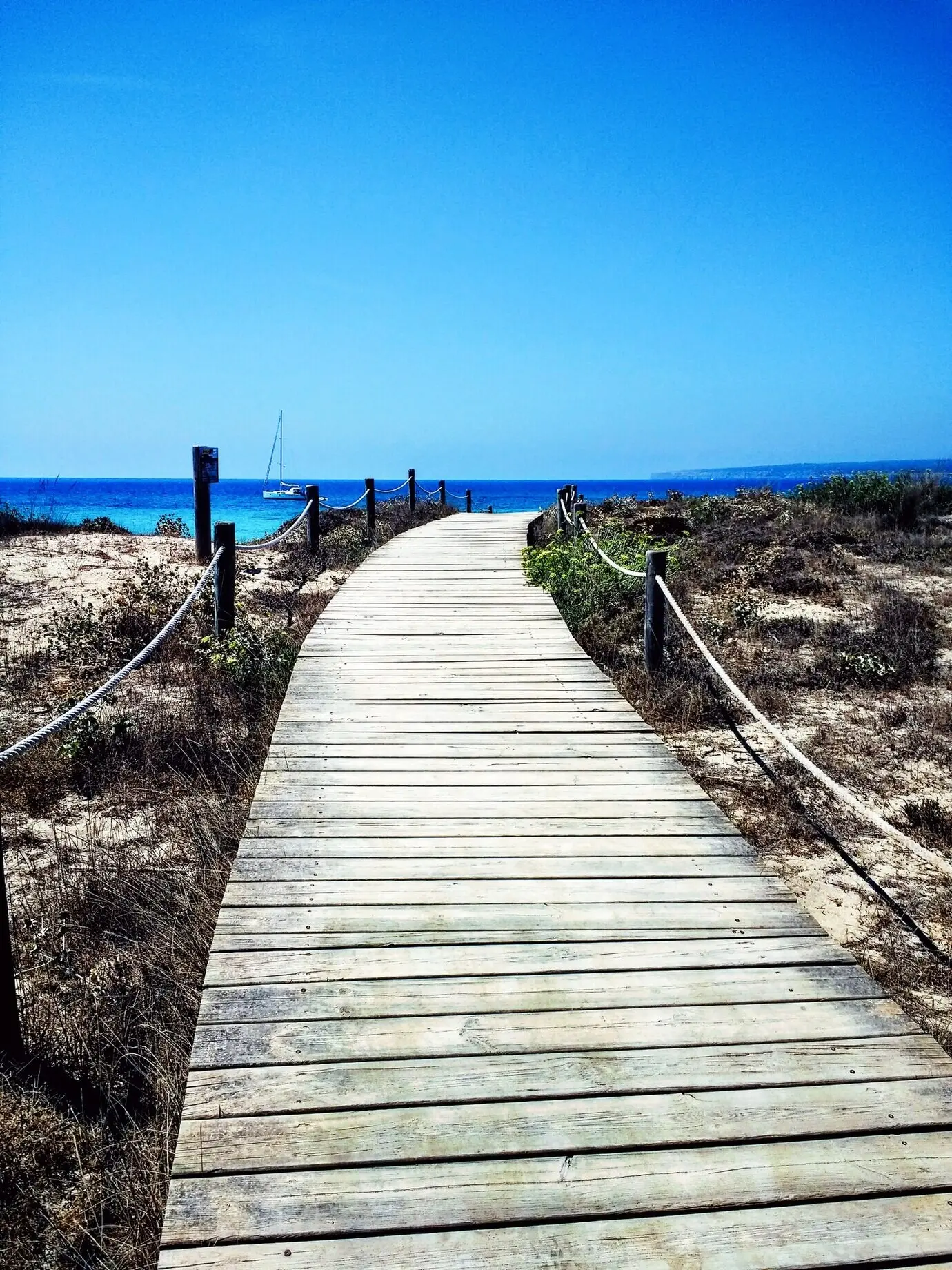
A short path with a small incline can still feel long in dim light. Estimate a relaxed pace, add cushion for photos, and remember that dawn and dusk compress decisions. Check maps for total ascent, surface type, and turnaround points. If the route loops, plan where you’ll pause for the view. A little math now keeps the experience unhurried later, letting you savor color changes without clock anxiety.
Pacing for comfort and delight

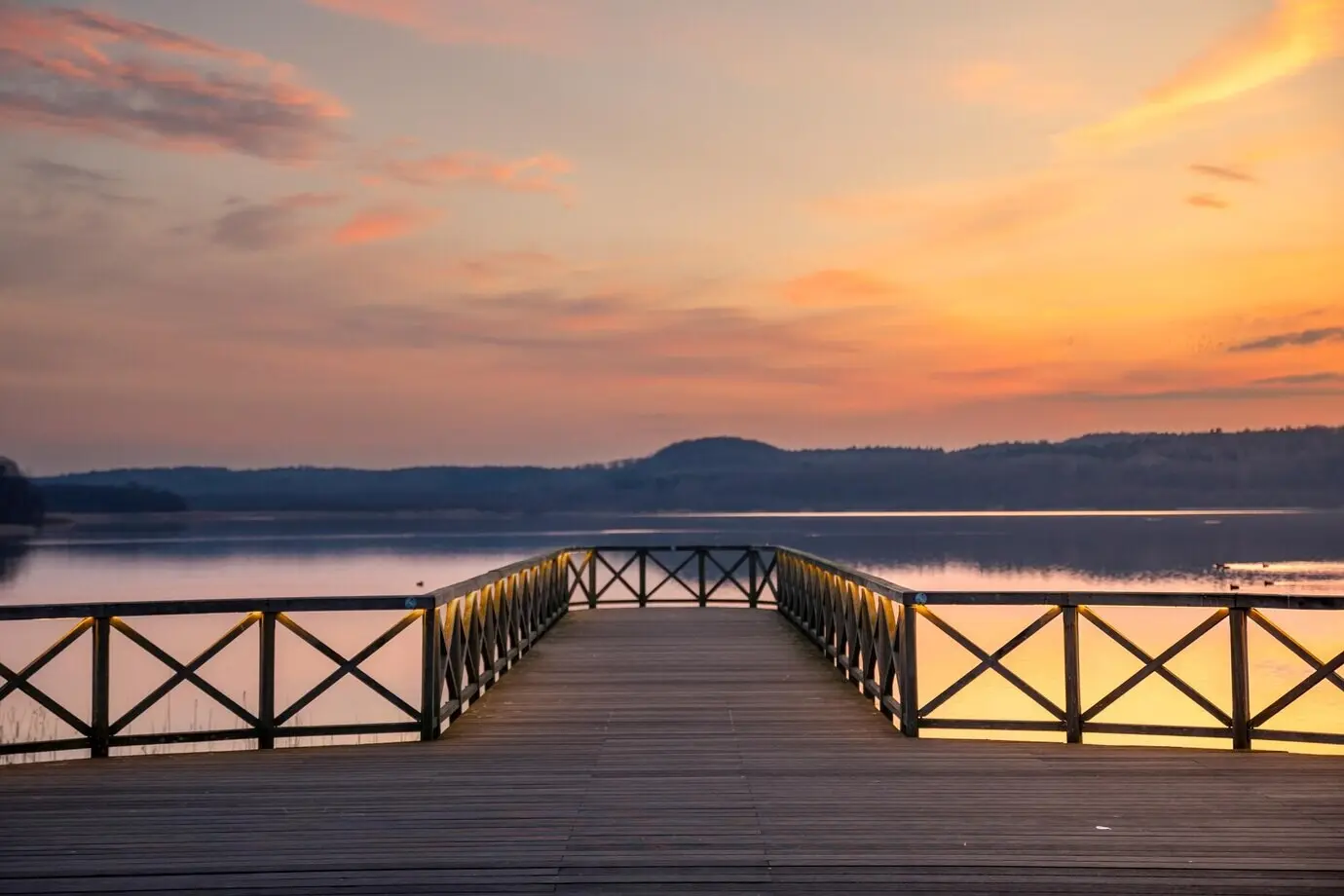
Aim to arrive with your breath steady and your shoulders loose. Ease into the walk, notice scents and birdsong, then settle at the viewpoint before peak color. A slow approach sharpens perception: ripples on water, clouds forming edges of gold. Leave extra minutes for a snack and silence. Let comfort guide the rhythm, and you’ll associate these outings with pleasure rather than effort, making tomorrow’s early rise feel inviting.

Catch the Light Right

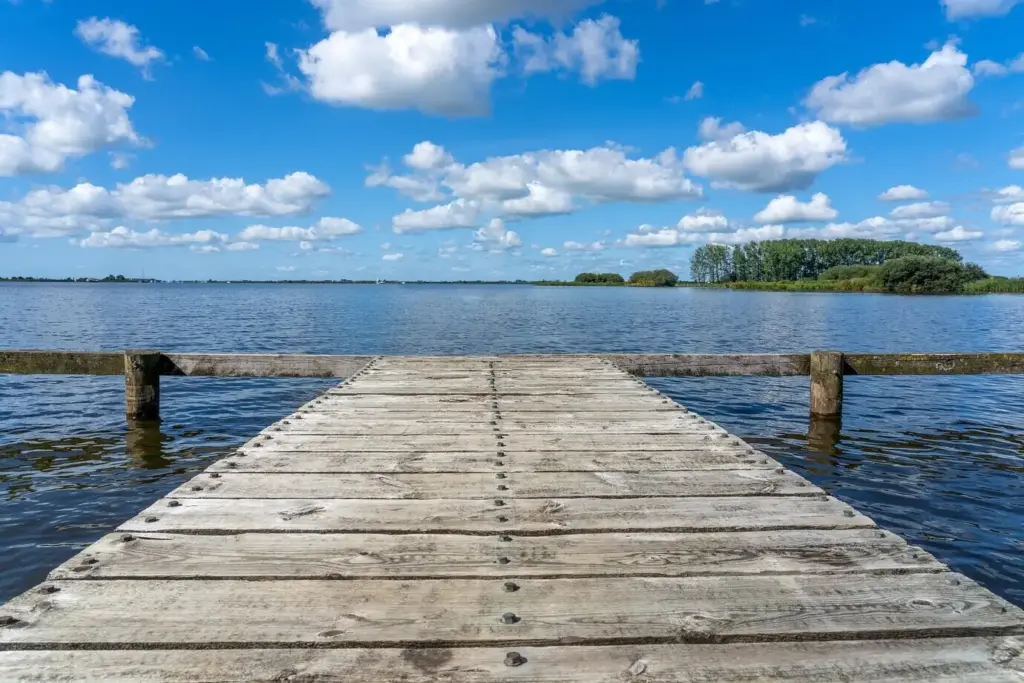
Timing transforms an ordinary overlook into a moment you’ll remember all year. Learn the difference between blue hour, golden hour, and civil twilight, and how they shape mood and color. Sunrises reward early commitment with quiet streets and crisp air; sunsets trade serenity for social warmth and easier scheduling. Plan backwards from the light you want, build a buffer, and you’ll arrive unflustered. Share your timing tricks so newcomers can meet the sky at its friendliest.

Understand dawn, dusk, and twilight windows

Civil twilight offers gentle, photographable light before the sun appears and after it sinks, while nautical and astronomical phases bring deeper blues and more stars. You don’t need jargon to benefit: simply aim to arrive before the brightest color begins. Watch how cloud cover delays intensity, and how humidity softens contrast. Keep notes for your favorite spots, and you’ll quickly predict when magic reliably arrives without guesswork.

Use simple tools to predict sun direction

A basic sunrise and sunset app, a compass on your phone, or even a quick look at a map can reveal where light will land. Note obstacles like tall trees or buildings that might block the first glow. If the sun lines up with a pier, bridge, or alley, you’ll get dramatic perspective. Save locations in your device, set reminders, and let technology reduce uncertainty while you keep your attention on the unfolding sky.

Build an honest departure buffer

Leave earlier than feels necessary, because shoelaces loosen, cameras need wiping, and conversations stretch. Extra minutes let you explore alternate perches, scout foregrounds, and breathe. Arriving relaxed sharpens awareness, making you more responsive to fleeting color shifts. If the show seems delayed, patience often pays off with a final flare. A small buffer also helps beginners feel welcome, because the experience becomes generous instead of rushed.

Landscapes that Glow with Minimal Effort

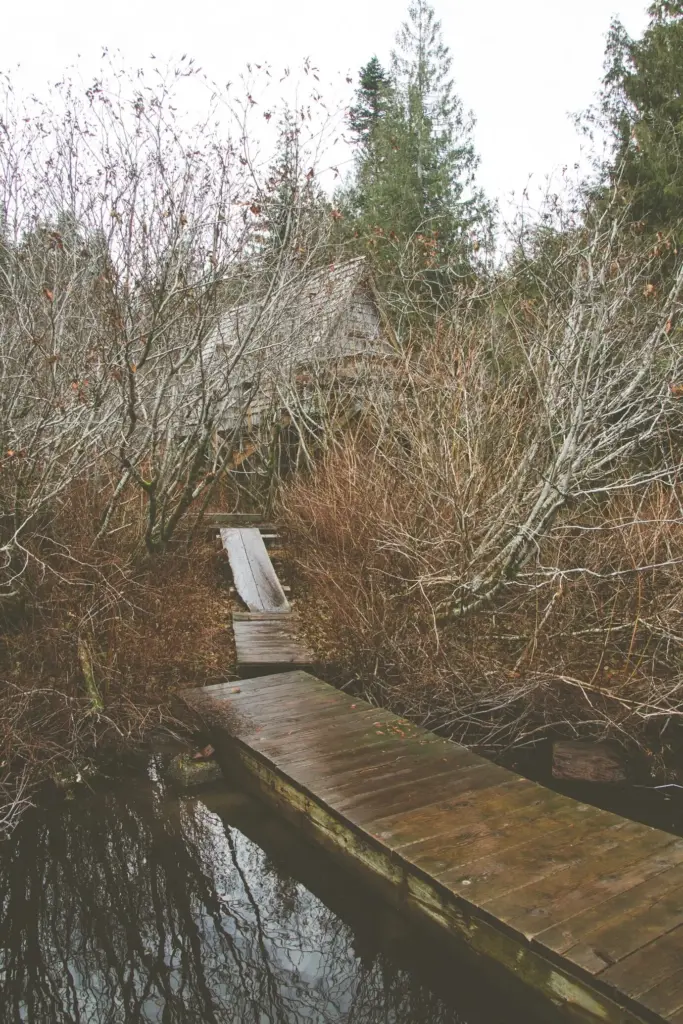
Certain places amplify soft light without demanding long approaches. Think watersides that double every color, low hills with uninterrupted horizons, and urban terraces where reflections dance on glass. Boardwalks, harbor paths, and park viewpoints often provide railings, seating, and smooth surfaces for safe footing in dim hours. Explore public gardens, river bends, and gentle ridgelines that gather the sky. Share maps, transit tips, and access notes so more people can enjoy these scenes comfortably and confidently.

Water’s mirror: lakes, rivers, and calm bays

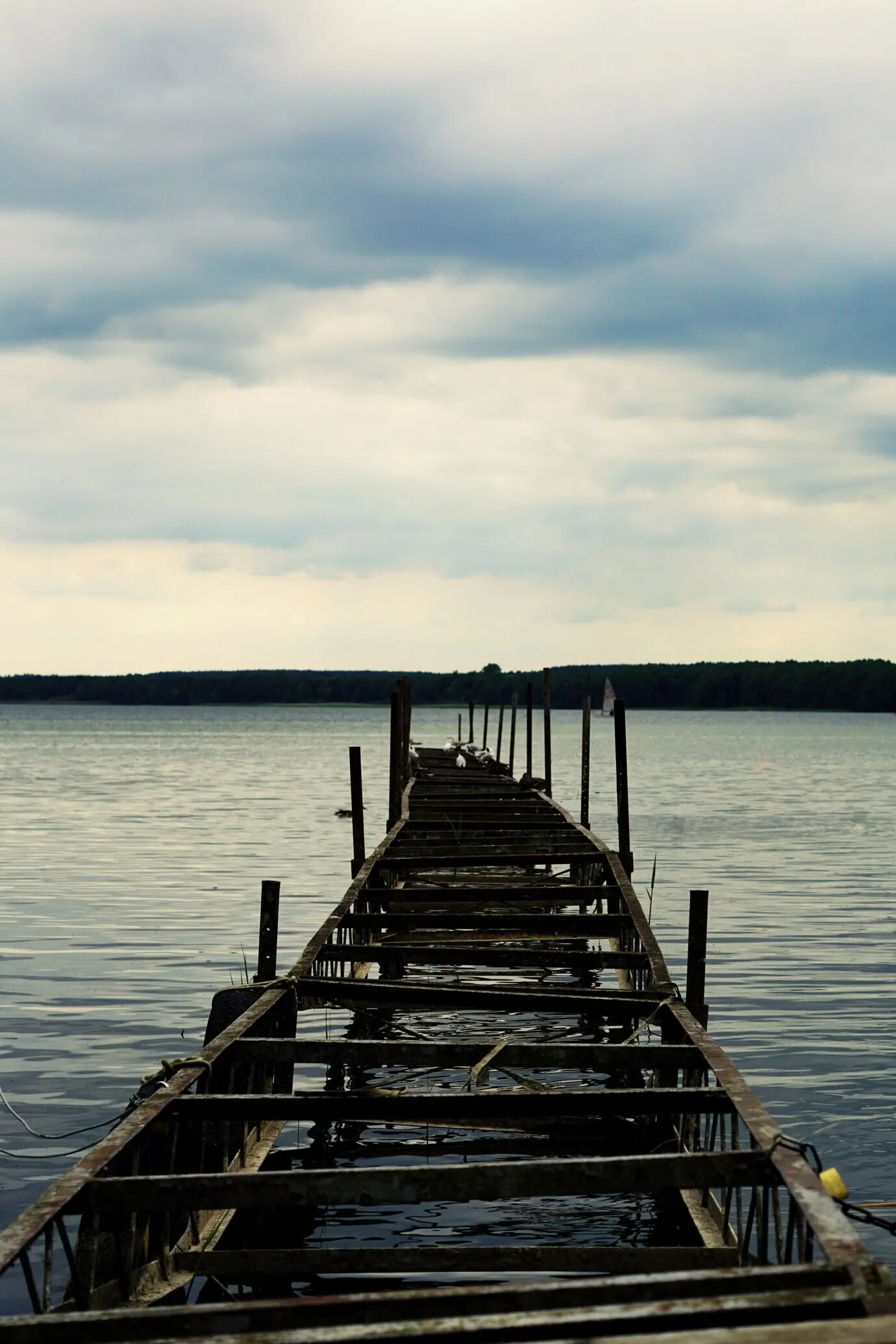
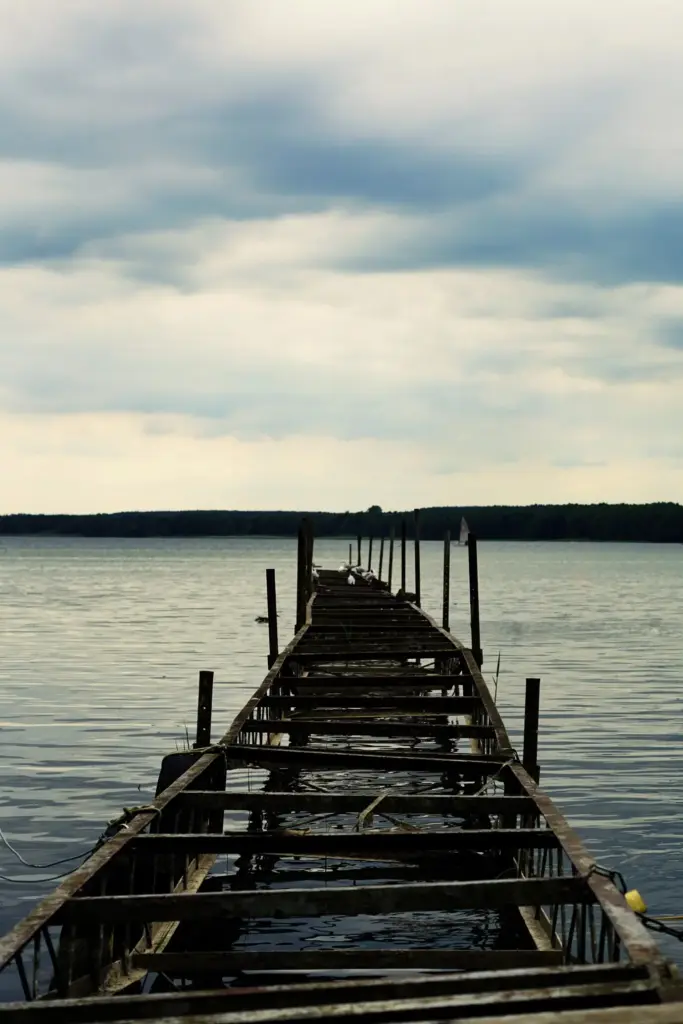
Reflections turn modest color into spectacle. Even a tiny pond can double the drama when the breeze rests. Seek wind-sheltered coves, marinas with still water, or river curves that capture sky gradients. Arrive early to claim a quiet corner and watch ripples draw painterly textures. If birds skim the surface, their silhouettes add story. Pack a small towel to dry a bench, and keep your camera ready for sudden glassy calm.

Urban overlooks without the stairs marathon

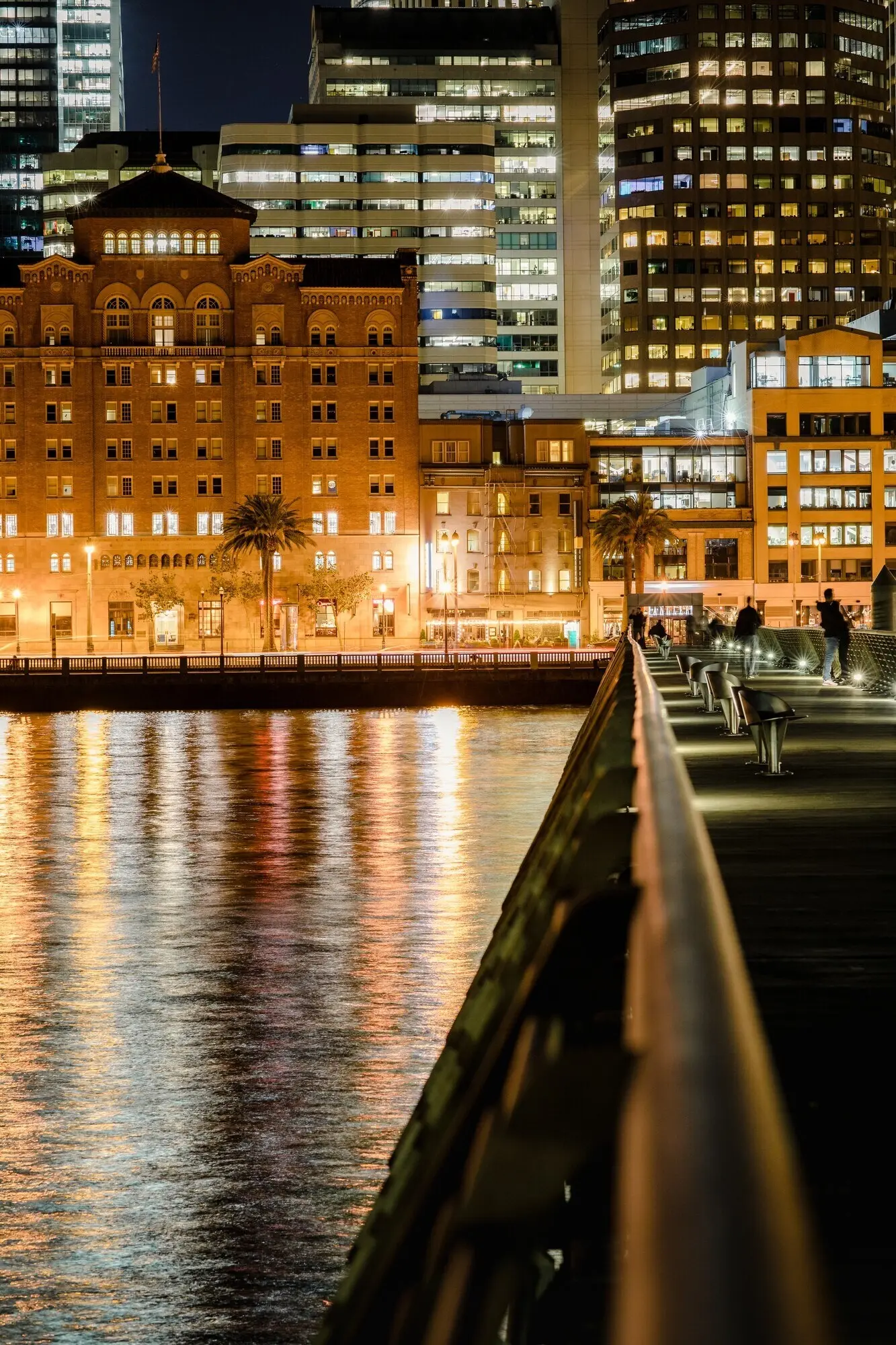
Cities hide gentle viewpoints everywhere: rooftop gardens with elevators, pedestrian bridges, library terraces, and museum plazas with long ramps. The geometry of streets funnels light into corridors that blaze at the right angle. Security and hours vary, so check access ahead of time, and thank staff when possible. Capture windows glowing like embers, commuters pausing, and reflections settling in puddles after rain. Beauty pairs wonderfully with convenience when you scout thoughtfully.

Soft ridgelines and low summits

Modest hills deliver expansive horizons with less strain. Look for park high points, old forts, meadowy knolls, or roadside pullouts leading to brief footpaths. Low elevation often means fewer weather surprises and quicker retreats if plans change. Bring a light layer to handle breeze at the top, and linger after peak color to watch the world cool. The descent feels especially sweet when the last pink fades into evening blue.

Pack Light, Stay Warm, Walk Happy

Layers that work when temperatures swing fast

Pre-dawn chill and post-sunset breeze can surprise even in warm seasons. Use a moisture-wicking base, a light insulating mid-layer, and a windproof outer shell you can stash quickly. Avoid cotton, which clings. A thin neck gaiter adds big comfort with minimal bulk. Shoes with decent grip matter on dewy grass or slick boards. Dress for standing still as much as walking, because the best light often invites you to pause longer than planned.

Small comforts that transform the moment

Warm drinks, a compact sit pad, and a soft cloth for lenses make ordinary views feel luxurious. Bring a spare battery if you shoot a lot, because cold drains power. A zipper bag corrals crumbs and wrappers, keeping spaces tidy. Consider a tiny notebook to capture impressions while colors still echo. Little comforts encourage lingering, and lingering reveals subtleties: faint alpenglow, distant gulls, or the quiet cheer of neighbors greeting evening light.

Safety basics for early and late hours

Carry a headlamp even if you expect ambient light. Mark your route on a map app, share plans if you’re solo, and mind footing near edges. A miniature first-aid kit and an emergency contact card weigh almost nothing. If crowds gather, keep valuables discreet. Trust your senses; if a place feels off, choose another perch. Safety habits built on easy outings become automatic, supporting bolder adventures without unnecessary risk or drama.

Photograph the Quiet Drama

You don’t need heavy gear to honor gentle light. A phone or small camera, steady hands, and thoughtful framing will do. Seek foreground shapes, clean horizons, and reflections to anchor color. Expose for highlights to preserve glow, then lift shadows later if needed. Embrace imperfections—the breath on glass, a passing cyclist, subtle lens flare. Share your favorite settings and stories so others can learn by example and feel encouraged to try.

Care, Courtesy, and Connection

These outings thrive when we treat places and people kindly. Pack out what you pack in, step lightly on vegetation, and keep voices soft in shared spaces. Offer a smile, share a bench, and let everyone glimpse the view. Wildlife needs room; so do neighbors heading home from work. If a location is fragile or crowded, explore alternatives nearby. Tell us how you balance wonder with responsibility, inspiring a community grounded in respect.
Malefaratitoritilizi
Privacy Overview

This website uses cookies so that we can provide you with the best user experience possible. Cookie information is stored in your browser and performs functions such as recognising you when you return to our website and helping our team to understand which sections of the website you find most interesting and useful.